
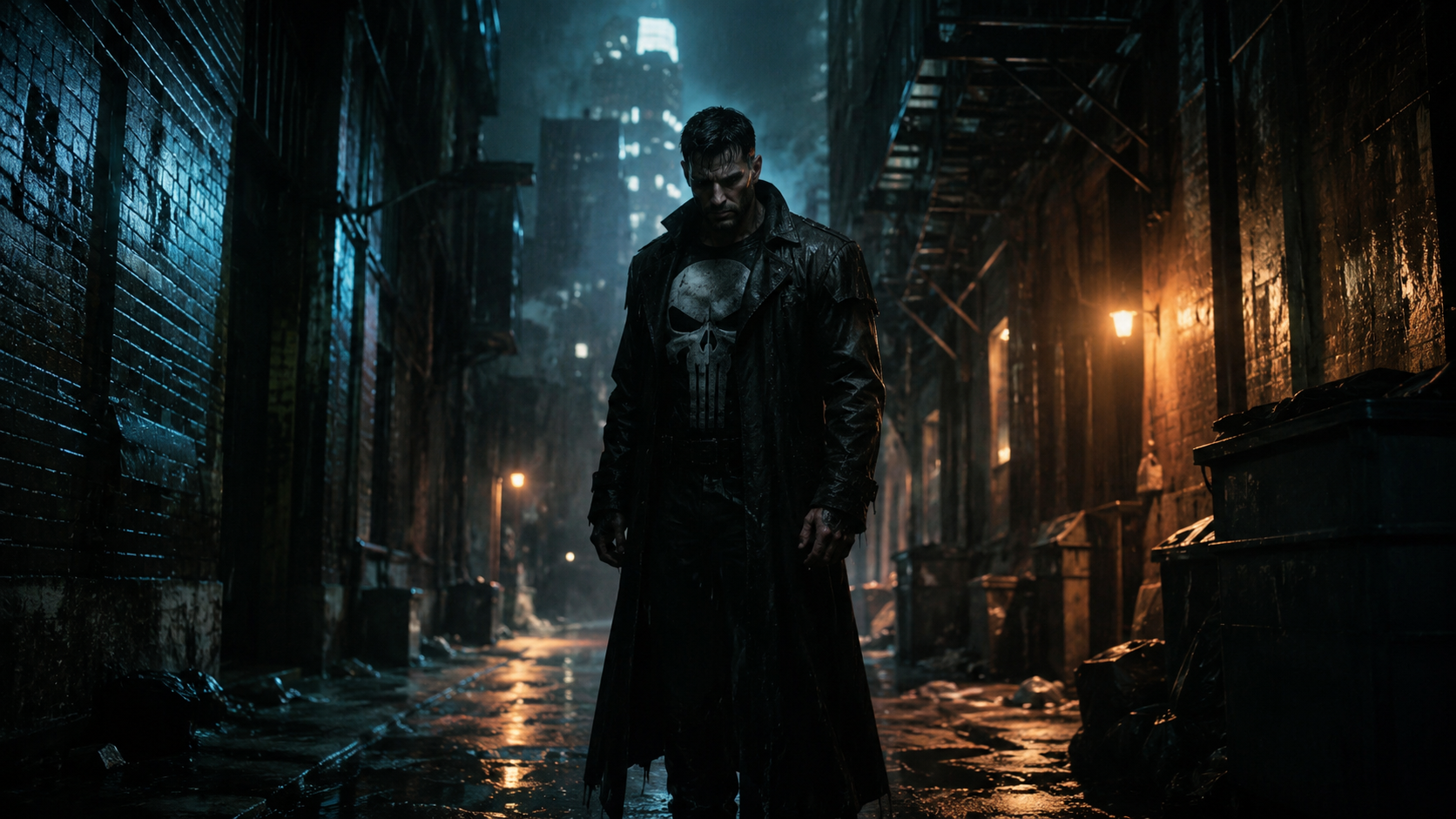
What Is a Dark Comic Character? When a Comic Character Becomes a Symbol of Shadowed Emotion
In comics, not every character is designed to be instantly likable.
Some characters enter the page with tired eyes, hidden pasts, uncertain morality, and a heavy atmosphere surrounding them. They are not simply heroes. They are not always villains either. They are the kind of characters that make readers pause, look closer, and wonder:
What happened to this person?
That is the emotional pull of a dark comic character.
At 86COMICS, a dark comic character is not just someone who looks cool, wears black, or appears in a gloomy setting. It is a character built from psychology, emotional wounds, choices, memories, and contradictions that cannot be explained in a single sentence.
What Is a Dark Comic Character?
A dark comic character is a comic character shaped by psychological darkness, emotional weight, visual intensity, or a troubled fate. These characters often appear in stories with deeper emotional layers, tense atmospheres, and worlds that do not feel completely safe.
The important point is that “dark” does not only refer to the visual use of shadows or black colors.
A dark comic character can be:
A hero haunted by the past.
A person living in a moral gray zone.
Someone who no longer trusts the world but has not completely given up on it.
A character who appears cold on the outside but is broken within.
A symbol of loneliness, guilt, memory, or loss.
In other words, a dark comic character allows readers to feel something deeper beneath the surface of action and dialogue.
Why Are Dark Comic Characters So Compelling?
The power of a dark comic character often comes from imperfection.
Readers are drawn to characters with cracks. Through those cracks, we see something deeply human: fear, regret, anger, loneliness, shame, or the desire to be saved from something they cannot name.
A perfect character can feel distant. But a character carrying inner darkness creates curiosity.
What did they go through?
What are they hiding?
Will they overcome the darkness, or will it consume them?
Are they tragic, dangerous, or both?
These questions are what make dark comic characters emotionally powerful in mature storytelling.
A Dark Comic Character Is Not Just a “Cool-Looking” Character
A common misunderstanding is that a dark comic character only needs a cold expression, black clothing, rain, shadows, or a mysterious pose.
Those visual elements can help create a cinematic feeling, but they are not enough to create a truly layered character.
A real dark comic character needs an internal foundation.
They need a reason for their silence.
A reason they cannot trust others.
A reason they make extreme choices.
A reason they fear a specific memory.
A reason they avoid the truth.
If a character only looks dark but lacks psychological substance, they can quickly become an empty image. But when visual design, emotion, and story all work together, the character becomes a symbol.
That is the difference between a character who merely “looks dark” and a true dark comic character.
Common Traits of a Dark Comic Character
1. A Clear Inner Conflict
Dark comic characters are not only fighting external enemies. They are often fighting themselves.
Their inner conflict may come from guilt, memory, loss, past mistakes, or a truth they are not ready to accept.
In mature comics, the most powerful battle is not always a large action scene. Sometimes it is a silent moment before a door, an old photograph, or a line of dialogue that quietly breaks the character from within.
2. Moral Ambiguity
A dark comic character is rarely purely good or purely evil.
They may do the right thing in the wrong way.
They may protect others while destroying themselves.
They may lie because the truth feels even more dangerous.
They may be a savior to one person and a threat to another.
This moral gray zone makes the character unpredictable and more human. Readers do not only ask, “Will this character win?” They also ask, “Is this character losing themselves?”
3. An Emotional Wound
A strong dark comic character usually carries an invisible wound.
It may be a buried memory, a lost person, a denied identity, an unfinished promise, or the feeling of no longer belonging anywhere.
This wound does not always need to be explained immediately. In many effective stories, it is revealed slowly through expression, action, environment, and reaction.
That creates natural curiosity without relying on heavy spoilers.
4. Symbolic Visual Design
A dark comic character often needs a clear visual language.
It does not have to be overly complex. Sometimes a long coat, tired eyes, an old object, a lonely silhouette, or a cold color palette is enough to suggest that this character carries an untold story.
In visual storytelling, appearance is not only about looking good. Appearance is a way for the character to speak before they say a word.
A well-designed dark comic character can make readers feel the character’s atmosphere from the very first frame.
5. A Strong Connection to Atmosphere
A dark character cannot be separated from the world around them.
A rain-soaked city.
An empty room.
A long hallway.
A forgotten place.
A weak light in the dark.
A silence after a line of dialogue.
These elements are not just background. They reflect the character’s inner state.
For a dark comic character, environment often becomes an extension of psychology.
Is a Dark Comic Character the Same as a Villain?
Not every dark comic character is a villain.
A villain is usually written as a major opposing force. They may be cruel, ambitious, destructive, or symbolic of a specific threat.
A dark comic character is a broader concept.
A dark comic character can be a protagonist, an anti-hero, a companion, a mysterious figure, or even a seemingly ordinary person carrying hidden darkness.
The core idea is not which side they are on. The core idea is how they are built emotionally, psychologically, and symbolically.
A character can do nothing evil and still feel deeply dark if their story revolves around loss, memory, guilt, loneliness, or inner collapse.
Why Dark Comic Characters Work So Well in Cinematic Comics
Comics are a powerful visual medium. When combined with cinematic storytelling, dark comic characters have even more room to become memorable.
A single look can replace an entire monologue.
A wide frame can make a character feel small and alone.
A low camera angle can turn a character into a symbol of power or threat.
A shadow in a room can say more than an explanation.
This is why dark comic characters work so well in cinematic comics. They are not only described through words. They are felt through composition, lighting, color, pacing, silence, and visual rhythm.
At 86COMICS, characters do not exist only to move the plot forward. Characters are where the emotional weight of the story is concentrated.
The 86COMICS Approach to Dark Comic Characters
86COMICS is a digital cinematic comics studio focused on emotionally layered storytelling, psychological depth, atmospheric worldbuilding, and mature visual storytelling.
When approaching a dark comic character, 86COMICS does not treat “dark” as a surface-level style. Darkness is not only black clothing, shadows, or mystery.
Darkness is an emotional state.
It can be the feeling of living with a memory that cannot be named.
It can be a character standing between truth and fear.
It can be a lonely figure in a world too large for them.
It can be the moment when readers realize the character is not only searching for an answer, but also afraid of what that answer might reveal.
This approach allows the character to carry emotional weight while still leaving room for mystery.
You do not need to understand the entire lore to feel the presence of a dark comic character. Sometimes one frame, one expression, or one silence is enough to tell you there is much more beneath the surface.
Dark Comic Characters and Reader Emotion
A well-written dark comic character does not only make readers think, “That character looks cool.”
They make readers feel something.
Unease.
Sympathy.
Curiosity.
Discomfort.
Recognition.
A strange emotion that is hard to name.
That is why this type of character often leaves a stronger aftertaste. Readers do not only remember the character because of their appearance. They remember the feeling the character left behind.
In psychological, mature, and cinematic comics, that emotional residue matters more than explaining everything immediately.
The deeper the dark comic character feels, the more readers want to return and understand them.
How to Recognize a Well-Written Dark Comic Character
A well-written dark comic character does not need to constantly explain their pain.
Readers can sense it through the way they stay silent.
Through the way they look at others.
Through the way they react when a memory is mentioned.
Through choices that seem cold on the surface but reveal a deeper fear underneath.
A dark character should not exist only to create atmosphere. They need to serve the theme of the story.
If the story is about memory, the character may become a symbol of what has been forgotten.
If the story is about identity, the character may be someone who no longer knows who they are.
If the story is about loss, the character may be someone who is still alive but has already lost part of themselves.
When a character is deeply connected to the theme, they become meaningful.
Why New Readers Can Start With This Type of Character
If you are new to cinematic comics and do not know where to begin, a dark comic character is a strong entry point.
This type of character often carries the central question of the story.
They pull you into the mystery.
They make you wonder about the past.
They reveal the atmosphere of the world.
They make you keep reading not only because you want to know “what happens next,” but because you want to know “who this person really is.”
For 86COMICS, a memorable character does not need to explain everything from the beginning. What matters is that they leave behind a strong enough emotional impression to make readers want to continue.
Conclusion: A Dark Comic Character Is Darkness Given Human Form
A dark comic character is not simply a character with a gloomy appearance. It is a character who turns pain, secrets, memory, and inner conflict into a visible form on the page.
They may be frightening.
They may be tragic.
They may be difficult to understand.
They may make readers unsure whether to trust them or fear them.
But that complexity is exactly what makes them compelling.
In mature comics, especially those shaped by cinematic, psychological, and atmospheric storytelling, a dark comic character is more than a role in the story. They are an emotional symbol.
And sometimes, what makes a character unforgettable is not their power, but the darkness they are trying to hide.
10. FAQ
What is a dark comic character?
A dark comic character is a comic character shaped by psychological depth, emotional darkness, visual intensity, or a troubled personal history. These characters often carry inner conflict, hidden pain, moral ambiguity, or a strong symbolic presence.
Is a dark comic character always a villain?
No. A dark comic character can be a protagonist, anti-hero, companion, mysterious figure, or villain. What matters is not whether they are good or evil, but how they are built emotionally and psychologically.
Why are dark comic characters so popular?
Dark comic characters are compelling because they are often imperfect, conflicted, and mysterious. Their emotional wounds and hidden pasts make readers curious about who they are and what shaped them.
How is a dark comic character different from a regular comic character?
A dark comic character usually carries heavier psychological weight, stronger atmosphere, and deeper themes such as loss, memory, guilt, loneliness, identity, or moral conflict.
How does 86COMICS approach dark comic characters?
86COMICS approaches dark comic characters through cinematic storytelling, psychological depth, emotional tension, atmospheric worldbuilding, and mature visual storytelling. The goal is not just to make characters look dark, but to make them feel emotionally meaningful.