
Digital Comics: The Complete Guide to Creating, Reading, and Sharing Modern Visual Stories
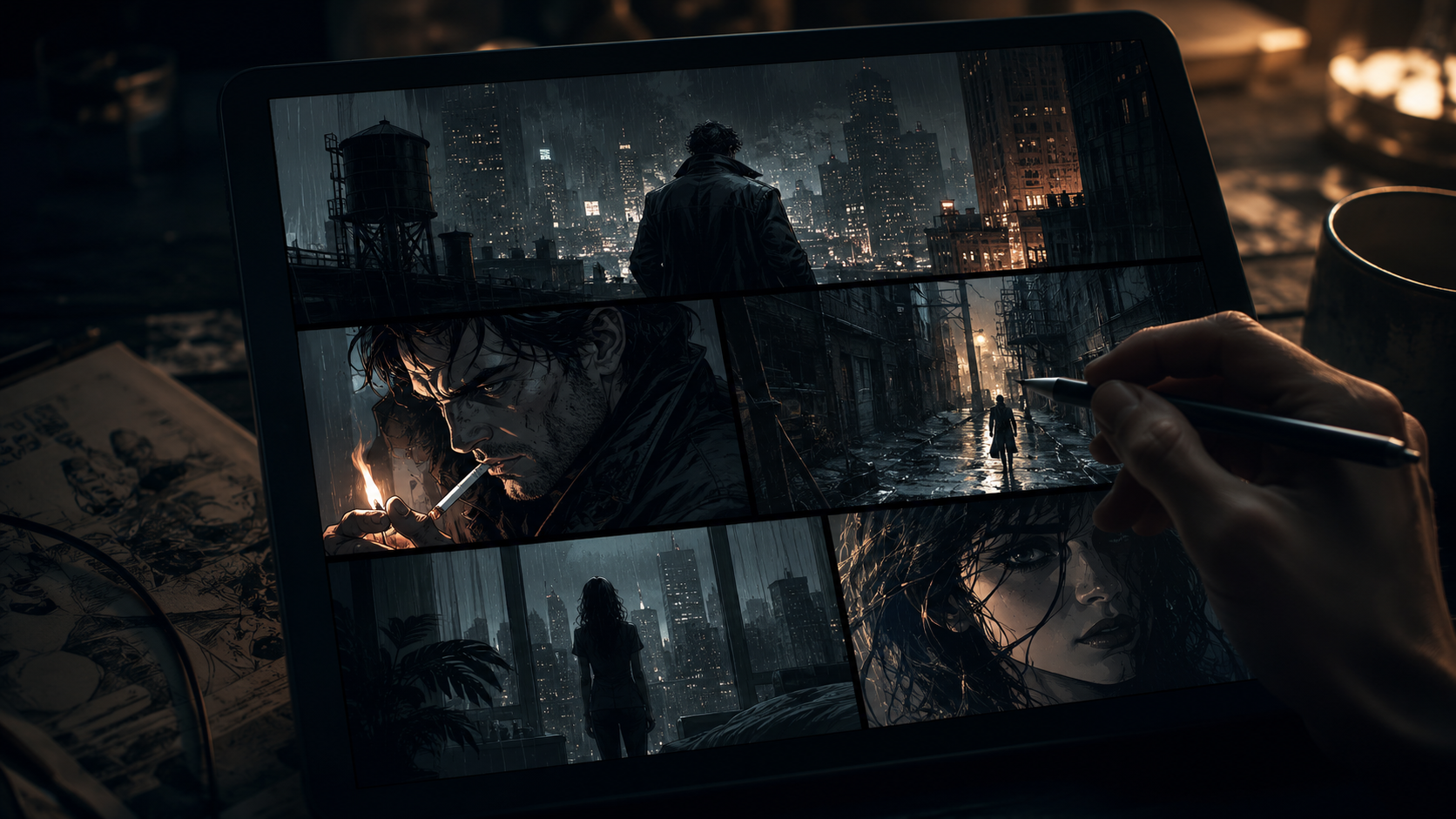
Attention: If you love stories that move like movies but live on your phone, digital comics are the format reshaping how a new generation reads. This guide explains what digital comics are, how they differ from print, and how you can create, publish, or find emotionally gripping, mobile-first comics.
Quick summary
Digital comics are comics produced and optimized for screens—especially mobile devices. They use panel layouts, vertical scrolling, cinematic framing, motion, audio, or simple interactive elements to enhance storytelling. For creators, they demand script adjustments, panel-by-panel pacing, and mobile-first art decisions. For readers, they offer instant access, immersive formats, and a wide range of genres—from romance and horror to psychological drama.
Why digital comics matter now
Digital comics put story-first design in front of audiences who live on phones and social feeds. Young readers aged 16–35 increasingly prefer vertical-scroll storytelling, bingeable series, and emotionally charged, cinematic visuals. Unlike traditional print, digital comics can adapt pacing, employ transitions, and gate chapters behind updates to build long-term engagement.
Platform discovery, short attention spans, and social sharing all favor comics that work well on mobile. Creators who understand how to format, tag, and promote digital comics can reach global audiences more easily than ever. This matters for indie publishers and platforms like 86COMICS, which focus on original, mobile-friendly stories in romance, horror, fantasy, drama, and psychological genres.
How digital comics differ from print and traditional webcomics
Digital comics overlap with webcomics and print comics but are distinct in format, pacing, and UX design. The main differences are presentation, interaction, and distribution:
- Presentation: Digital-first comics are optimized for screens—panel size, negative space, and readability at thumb-sized widths are essential.
- Interaction: Readers may scroll, tap, or experience subtle motion and audio cues. Choices about pacing are engineered rather than constrained by paper.
- Distribution: They publish via web platforms, apps, social media, and serialized feeds, allowing faster, global reach and real-time analytics.
For creators, these differences mean rethinking script structure (shorter beats, clear visual hooks), art (contrast and facial close-ups), and delivery (chapter length and update schedule). For readers, it means more immersive and accessible storytelling tailored to mobile habits.
Common types of digital comics and when to use them
Not all digital comics look or feel the same. Choosing the right type depends on story goals, production resources, and audience behavior.
Vertical-scroll (infinite scroll)
Best for cinematic pacing and mobile readers who binge. Panels stack vertically and the story unfolds continuously. This format emphasizes timing and reveal — often used in romance and psychological drama where emotional beats benefit from controlled pacing.
Page-like readers
Mimics print pages but delivered digitally. Good for readers who prefer traditional layouts or for art-heavy pages that need a fixed frame. Works well when preparing for potential print later.
Motion-enhanced comics
Small animations, parallax, or sound effects add cinematic depth without becoming full animation. Use motion sparingly to enhance mood—common in horror or fantasy to create atmosphere.
Hybrid or interactive comics
Includes choices, branching paths, or light gameplay. Use when reader agency is central to the story. These take more development time but can significantly increase engagement and replay value.
Production workflow for a digital comic
Creating compelling digital comics requires a workflow tailored to screens. Here’s a practical pipeline that fits indie teams and solo creators.
- 1. Concept and outline: Define the core emotional arc and episodic beats. Aim for clear chapter goals and cliffhangers suited to serialized delivery.
- 2. Script adapted for panels: Write in beats and visual descriptions. Include pacing notes, camera direction (close-up, wide), and transition ideas between panels.
- 3. Thumbnails and layout: Design vertical or page layouts early. Experiment with negative space and panel size for screen legibility.
- 4. Pencils, inks, and color: Choose color palettes and line weights that read well at phone resolution. High contrast improves readability in varied light conditions.
- 5. Lettering and UI: Use legible fonts and sized speech bubbles. Place UI elements (episode numbers, progress bars) unobtrusively.
- 6. Motion and audio (optional): Add subtle motion or ambient sound. Test across devices to keep file sizes reasonable.
- 7. Export and test: Export at optimized resolutions and test on common devices. Check readability at thumb-width and on low-bandwidth networks.
- 8. Publish and analyze: Release on platforms (site, aggregator, or hosted service). Use analytics to refine pacing, artwork, and marketing.
Art and script tips that work especially well for digital comics
Successful digital comics combine tight scripts with cinematic visual choices. Here are practical tips you can apply immediately:
- Lead with faces: Close-ups and expressive faces read clearly on small screens and pull the reader into emotional beats.
- Control reveal with panel scale: Use large panels for impact and smaller ones for quick beats. Vertical scroll lets you control the moment of reveal between panels.
- Use negative space: Breathing room guides the eye and prevents visual clutter on small displays.
- Optimize lettering: Keep dialogue concise. Lettering should be legible at low resolutions—avoid ornate fonts for body text.
- Contrast color for accessibility: High contrast helps readers with vision differences and improves readability outdoors.
- Plan for pacing: Think of each scroll position as a beat. Cliffhangers at the end of an episode encourage return visits.
Publishing and distribution: where digital comics find readers
There are several distribution paths, each suited to different goals and audiences. Consider the following channels and choose a mix based on discovery and monetization needs:
- Direct site publishing: Hosting on your own site gives full control over branding and monetization. Platforms like 86COMICS focus on original, cinematic stories and a curated reader base—explore our series to see formats in action: 86COMICS series.
- Webcomic platforms and aggregators: These offer built-in discovery and social features. They’re useful if you want audience growth without building your own audience from scratch.
- Social media snippets: Use Instagram, TikTok, and Pinterest to tease panels and drive readers to full episodes. Short vertical video or carousel posts perform well for glimpses of dramatic moments.
- Apps and stores: App distribution can reach dedicated readers but often involves additional development and submission overhead.
- Community hubs and forums: Share work-in-progress and get feedback on platforms and groups dedicated to comics.
Promotion is a long game: consistent updates, targeted tags, and platform-specific previews help build readership. You can also connect with readers through official social channels like our Facebook page for community updates: 86COMICS on Facebook.
Monetization strategies that work for digital comics
There is no single best monetization model—successful creators mix methods to match their audience and goals. Common approaches include:
- Ads and sponsorships: Works with large traffic but can impact user experience. Keep ad placement unobtrusive for narrative flow.
- Subscriptions and memberships: Offer early access, bonus chapters, or behind-the-scenes content to paying fans.
- Patronage and crowdfunding: Platforms like Patreon support ongoing series or one-shot projects with tiers for community rewards.
- Microtransactions: Pay-per-chapter or unlockable episodes suit readers who prefer sampling before buying.
- Merch and print editions: Convert popular series into physical books, prints, or merchandise once an audience is established.
Choose models that fit your relationship with readers. For indie creators, community-driven subscriptions or patronage often offer sustainable income without compromising creative control.
Common mistakes creators make and how to avoid them
Awareness of pitfalls saves time and preserves reader trust. Here are frequent mistakes and practical fixes:
- Poor mobile testing: Mistake: Creating art that looks great on desktop but unreadable on phone. Fix: Test thumbnails, panels, and lettering on common device sizes before release.
- Overusing motion: Mistake: Adding too many animations that distract. Fix: Use motion sparingly to accentuate mood or reveal.
- Long, dense dialogue: Mistake: Flooding panels with text. Fix: Tighten dialogue and rely on visual storytelling for emotional beats.
- Inconsistent updates: Mistake: Irregular posting that loses readers. Fix: Set a sustainable schedule and communicate delays transparently.
- Ignoring analytics: Mistake: Publishing without learning what works. Fix: Track episode completion, retention, and referral sources to refine promotion and pacing.
Comparison table: formats at a glance
| Format | Best for | Production effort | Reader experience | Monetization fit |
|---|---|---|---|---|
| Vertical-scroll | Mobile-first, cinematic storytelling | Medium | Immersive, bingeable | Subscriptions, microtransactions |
| Page-like reader | Print-style art, traditional layouts | Medium | Familiar, frame-based | Ads, print sales |
| Motion-enhanced | Atmospheric horror, fantasy | High | Immersive but heavier on data | Premium sales, sponsorships |
| Interactive/hybrid | Game-like narratives, branching stories | High | Replayable, engaging | Premium pricing, in-app purchases |
Who should create digital comics and who should read them
Digital comics suit a wide range of creators and readers. Consider these fits:
- Creators: Artists and writers who want to tell episodic, visual stories and reach global, mobile-first readers. Ideal for those who can iterate quickly and engage a community.
- Indie teams: Small teams that can leverage flexible formats and audience feedback to refine work without printing overhead.
- Readers: Teenagers and young adults seeking bingeable romance, horror, fantasy, drama, or psychological comics with cinematic flair.
Not every creator needs motion or interactivity. If your story is dialogue-heavy or art-centric, a well-crafted vertical-scroll or page-like comic can deliver exceptional reader satisfaction with lower production overhead.
Promotion and discoverability: practical steps that work
Discoverability is the hard part. Use a mix of platform-native strategies and cross-platform promotion:
- Teasers: Post short clips or single-panel images on social platforms to draw readers to full chapters.
- Hashtags and tags: Use genre-specific and platform tags to reach readers interested in romance, horror, fantasy, or manga-influenced art.
- Collaborations: Cross-promote with other creators or participate in anthology projects to tap into new audiences.
- Community engagement: Share behind-the-scenes content, Q&As, and character art to convert readers into recurring fans.
- Analytics-driven updates: Use reading completion and retention metrics to tweak chapter length and cliffhanger placement.
Legal, rights, and practical business considerations
Protecting your work and choosing rights models early saves headaches. Key considerations:
- Copyright: You automatically own the copyright to your original work; register if you need legal enforcement options in some jurisdictions.
- Licensing: If you work with collaborators (writers, artists), create clear agreements about rights, revenue splits, and licensing for print or merchandise.
- Platform terms: Review any platform’s terms for exclusivity or revenue share. Non-exclusive publishing keeps future options open.
- Attribution: Protect your brand identity and ensure credit lines appear in each episode or series page.
Checklist to evaluate a digital-comic project
Before you start or sign with a platform, run through this quick checklist:
- Is the story structured into episodic beats suited to serialized release?
- Are visuals optimized for mobile legibility (close-ups, contrast, simple lettering)?
- Have you tested sample pages on multiple devices and lighting conditions?
- Do you have a promotion plan that includes social snippets and community engagement?
- Have you decided on monetization and rights management upfront?
Examples and use cases from genres common on 86COMICS
86COMICS focuses on romance, horror, fantasy, drama, and psychological stories. Here are practical format choices by genre:
- Romance: Vertical-scroll with close-ups, quiet beats, and slow reveals of emotion. Frequent episode updates encourage daily or weekly readers.
- Horror: Motion-enhanced panels and sound effects can heighten tension. Sparse dialogue, strong negative space, and unexpected panel reveals work well.
- Fantasy: Layered backgrounds and parallax motion can build world depth. Use a mix of wide establishing shots and intimate close-ups.
- Psychological drama: Nonlinear structure, visual metaphors, and controlled pacing help convey internal states. Lettering and visual motifs reinforce themes.
Measuring success and iterating
Define success with both qualitative and quantitative measures. Track the following:
- Episode completion rates and average read time
- Subscriber growth and retention
- Engagement on social posts and community channels
- Conversion rates from teaser to full episode reads
Use these metrics to test small changes: shorten a chapter, alter a thumbnail, tweak a story hook, or adjust update frequency. Iteration based on data beats guessing.
Practical next steps for creators and readers
If you’re a creator, start a short pilot: three episodes, mobile-optimized, and a simple promotion plan. Use reader feedback from social snippets to iterate before committing to a longer arc.
If you’re a reader, sample different formats to find what you enjoy. Look for creators who post consistent updates and share behind-the-scenes content—those creators often maintain better long-term series. You can explore curated series at 86COMICS to find mobile-first, cinematic stories in your favorite genres: Explore series.
FAQ
What exactly are digital comics and how are they different from webcomics?
Digital comics are comics created and optimized for digital screens, especially mobile devices. Webcomics are a broad category of comics published on the web; some webcomics are digital-first, but others simply mimic print page layouts. Digital comics often emphasize mobile-friendly layouts, vertical scroll, motion, or interaction tailored for screens.
Do I need expensive software to create digital comics?
No. Professional tools help, but many creators start with affordable or free software for sketching, inking, and coloring. The key is understanding layout, readability, and pacing for screens rather than the specific tool.
How long should a digital-comic episode be?
There is no single rule. Episodes that match a single narrative beat—roughly 5–12 panels or one mini-chapter—work well for vertical-scroll. Keep episodes consistent in length to set reader expectations and retention.
What monetization method works best for indie creators?
Community-driven subscriptions or patronage models are often the most sustainable for indie creators because they provide recurring revenue and maintain creative control. Combining this with limited ads or print runs can diversify income.
How can I make my digital comics discoverable?
Use a multi-channel approach: platform-native tags, social media teasers, collaborations, and consistent update schedules. Optimizing episode thumbnails and the first scrollable panels for strong hooks helps convert discovery into reads.
Where can I share or promote my digital comics?
You can publish on your own site, webcomic platforms, social media, or apps. For community updates and announcements, platforms like Facebook remain useful for building an engaged fanbase: 86COMICS on Facebook.
Final advice: start with story, optimize for screens
Digital comics succeed when creators respect both the craft of storytelling and the realities of screen reading. Focus first on strong characters and emotional arcs, then adapt art, pacing, and layout to mobile-first readers. Test early, iterate based on data, and build a community around regular updates and behind-the-scenes content.
Whether you want to read cinematic romance, unsettling horror, sweeping fantasy, or introspective drama, digital comics offer a flexible, immersive canvas. For examples of mobile-friendly, original series and to see these principles in action, visit the 86COMICS series page: 86COMICS series. For community updates and announcements, follow our official Facebook page: 86COMICS on Facebook.
Start small, focus on the beat, and let the medium enhance the emotion. Digital comics invite readers into stories that feel cinematic and immediate—designed for the way we live and read today.